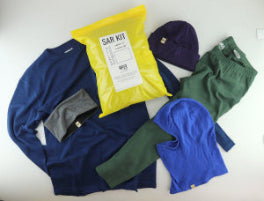


Despite the cold temperatures, winter is a fantastic time to be outside. Yet the season is often viewed as something to be endured rather than celebrated. But those who think that way haven’t spent much time enjoying the cold weather. Skiing, snowboarding, snowshoeing, tubing, fat biking, and winter hiking are all excellent ways to spend time outdoors—and if you dress right, you’ll most likely be zipping off layers before you’re through.
The key to any winter outdoor adventure is understanding how to dress—and that includes adjusting as your body warms and weather conditions change. With some basic knowledge and a few key pieces of clothing, it’s easy to remain comfortable and warm as you enjoy all that the season has to offer outside.
Here are 10 tips for helping you stay warm as you spend time outdoors this year.
1. Learn to Layer
You’ve probably heard this advice your whole life—put on a sweater!—but knowing how to layer is key to ensuring a safe and comfortable outdoor experience. Layering allows you to control the movement of heat and moisture your body produces.
How you dress should be specific to your activity. How you layer for watching a cold football game from the stands is different from how you layer for cross-country skiing. But no matter the activity, you’ll want to dress in four basic layers.
Base layer: This is the next-to-skin layer, so it needs to be comfortable and flexible for easy movement. It should provide some insulation, but its primary functions are breathability and moisture management. In basic terms, it needs to pull moisture away from your skin and allow air to circulate.
Depending on the weather conditions and activity, you can choose base layers with more or less insulation. A good example is Minus33’s Ticonderoga Lightweight Wool Crew or the Moriah Women’s Lightweight Wool Crew. These long-sleeve options work well for most winter activities.
Mid-layer: This second layer is an insulating layer. It should also be breathable to help manage moisture and temperature. Merino wool is an excellent option because it is naturally breathable while also being very good at trapping heat.
Choose a mid-layer with a zipper to help regulate your temperature as you heat up, such as the Isolation Men’s Midweight Wool 1/4 Zip or the Sequoia Women’s Midweight Wool 1/4 Zip.
Insulating layer: When you’re dealing with colder temperatures or more sedentary activities, you’ll want another layer to help retain warmth. This could be another wool layer or a fleece. Once again, zippers are a good idea because they help you regulate your body temperature after you warm up.
Outer shell: This is what protects you from the elements. It could be a light windbreaker in moderate conditions or a heavy parka when you need more protection. Look for a top that is both water-resistant and wind-resistant. If you’re doing aerobic activities, look for one with venting options.
2. Cover Your Head and Neck
Spend any time outside without your head covered and you’ll notice what a difference a hat can make. It’s not true that you lose the majority of your body heat through your head—it loses heat just like any other body part. However, your head contains a lot of surface area where heat can escape, so cover it with a wool hat.
The neck is another area where you can lose heat quickly. A scarf is a traditional option, but if you’re moving outside, you might be more comfortable with a neck gaiter or balaclava.

3. Cover Your Hands
This sounds like a no-brainer, but it leads to the perennial question: gloves or mittens? As a rule of thumb, mittens tend to keep your hands warmer than gloves because your fingers generate more heat when they aren’t separated from each other.
You have less dexterity with mittens, so some people may decide that the slight difference in warmth is worth choosing gloves. Whichever you choose, windproof and waterproof gloves or mittens are essential for downhill skiing or snowboarding, especially while riding the lift back to the top.
If you’re moving constantly, such as when cross-country skiing, heavily insulated gloves can cause your hands to overheat. A thin, breathable glove may be the better option.

4. Use Chemical Hand and Foot Warmers
When you’re not moving much, your extremities can get cold regardless of the quality of your gloves or boots. One option is to use a chemical hand warmer. Activating the pouch initiates a chemical reaction that generates heat.
You’ll find these products under brand names such as HotHands and Grabber. A single pack can provide several hours of heat, making them a useful option for winter hiking, sporting events, or time spent at an outdoor ice rink.
5. Invest in Good Socks
Keeping your feet warm is half the battle. Depending on your activity, insulated boots may be a good option. But no matter what kind of boot you wear, make sure you have a quality pair of wool socks inside them.
Much like with mid-layers, you can customize the thermal properties of your socks to match your activity. One option for cold weather is to wear a sock liner, which acts like a base layer for your foot. It provides extra insulation and helps wick moisture away to keep your feet warm and dry.
6. Wear Thermal Underwear
It’s surprising how often people put so much thought into their coat and hat while completely neglecting the bottom half of the body. Thermal underwear—good old-fashioned long johns—makes a significant difference in keeping your overall body temperature comfortable.
This is the base layer for the lower half of your body, and it’s essential for maintaining warmth over a long period of time outside. Choose a wool option such as the Kancamagus Men’s Midweight Wool Bottom or the Franconia Women’s Midweight Wool Bottom for a combination of warmth and breathability.

7. Embrace Ski Goggles
Sunglasses may be more fashionable, but those spending time on the mountain in cold weather won’t find a better option than ski goggles when it comes to staying warm. The wind generated as you ski or snowboard downhill can make your face quite cold, no matter how well you’re dressed.
Ski goggles cover nearly half your face while also helping you see better in changing winter conditions.
8. Cover Exposed Skin With Petroleum Jelly
In extreme temperatures, any exposed skin can make you uncomfortably cold. Applying a thin layer of petroleum jelly, better known as Vaseline, can help you feel more comfortable and protect your skin from the wind. Rub it on your nose, cheeks, and chin to help keep your face warmer.
9. Drink Hot Beverages
It should come as no surprise that drinking hot beverages can help you feel warmer. Bring along a thermos of hot chocolate or coffee to help keep you comfortable.
Be aware, however, that drinking alcohol is not a good idea. Consuming alcohol in cold weather can make you feel warmer, but it numbs your body’s reaction to the cold. This could be dangerous because you may become unaware of the potential signs of frostbite. Save the flask for when you’re back inside.

10. Start Your Workout Inside
One of the toughest things about getting outside in the winter is getting started. The temperature drop when you first head outside can be shocking. Give your body an advantage by warming up before you leave.
Do a few jumping jacks, run in place, or do some push-ups—anything to get your blood pumping. Just remember that you don’t want to sweat. Leaving home wet is the last thing you want to do. A minute or two of light exercise can warm up your body before you head into the cold.
Written by Jeff Banowetz for Matcha in partnership with Minus33.
Featured image provided by Teddy Kelley.
Blog images provided by Mahting Productions.