

Merino Wool vs. Synthetic Base Layers for Skiing and Snowboarding
When you're skiing or snowboarding, the right base layer can make a major difference in how comfortable you feel throughout the day. A good base layer needs to help manage moisture, regulate temperature, provide comfortable movement, and work well underneath the rest of your ski clothing.
Two of the most common choices are Merino wool and synthetic base layers. While both materials can perform well in cold-weather conditions, they have different characteristics that may make one a better choice depending on your activity, the weather, and your personal preferences.
So, when comparing Merino wool vs. synthetic base layers, which material is best for skiing and snowboarding?
Let's take a closer look at how they compare.
What Is a Base Layer?
A base layer is the first layer of clothing worn directly against your skin. Its primary job is to help manage moisture while providing a comfortable layer underneath your midlayer and outerwear.
For skiing and snowboarding, a base layer can be especially important because your activity level can change throughout the day. You might be working hard while skiing a run, standing still on a lift, and then moving again once you reach the top.
A well-chosen base layer helps you stay comfortable through those changing conditions.
Merino Wool vs. Synthetic Base Layers: What's the Difference?
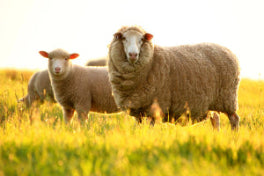
Merino wool comes from Merino sheep and is known for its naturally soft fibers and ability to help regulate temperature. Synthetic base layers are typically made from manufactured fibers such as polyester or nylon.
Both materials can be lightweight, breathable, and designed for active use, but they approach moisture and temperature management differently.
Merino wool naturally absorbs moisture vapor and can help regulate temperature while remaining comfortable against the skin.
Synthetic fabrics generally move liquid moisture away from the skin and are known for quick drying, making them popular for high-output activities.
The best material for ski base layers ultimately depends on how you plan to use them.
Warmth and Temperature Regulation
Staying warm is obviously important when you're spending hours on the mountain, but more insulation isn't always better. A base layer that is too warm can cause you to sweat during an active run, leaving you uncomfortable once your activity level decreases.
Merino wool is valued for its temperature-regulating properties. It can help provide warmth when conditions are cold while remaining breathable when you're active.
For men spending long days on the slopes, a Merino Wool Base Layer can provide a comfortable foundation under a ski jacket without requiring a bulky first layer.
Women's ski outfits can benefit from the same approach, with Merino Wool Base Layers providing a lightweight layer that can be combined with additional insulation when temperatures drop.
The key is to choose a base-layer weight that matches the conditions. Lightweight Merino can work well for active days or milder conditions, while midweight options can provide additional warmth when temperatures are lower.
Moisture Management
Moisture management is one of the most important considerations when choosing a base layer for skiing or snowboarding.
Even on a cold day, skiing can be a high-output activity. Climbing stairs in ski boots, carrying equipment, hiking through snow, or making repeated runs can all cause you to work up a sweat.
Merino wool can absorb moisture vapor while helping regulate temperature, which can make it a comfortable choice for long days outdoors.
Synthetic materials typically excel at moving liquid sweat away from the skin and can dry quickly when moisture builds up.
For men who tend to ski aggressively or participate in other high-output winter activities, Lightweight Merino Wool Clothing can provide a breathable first layer without adding unnecessary bulk.
Women who prefer lightweight layers for active days on the mountain can also use Lightweight Merino Wool Clothing as a comfortable foundation underneath their ski or snowboard gear.
Merino Wool vs. Polyester: Which Dries Faster?
One of the biggest differences between Merino wool and synthetic materials is drying time.
Synthetic fabrics such as polyester are generally known for drying quickly. This can be beneficial during high-intensity activities where significant amounts of sweat accumulate.
Merino wool can take longer to dry than many lightweight synthetic fabrics, but its ability to manage moisture and regulate temperature can make it comfortable even when the garment isn't completely dry.
This distinction can be particularly useful when deciding what to pack for a multi-day ski trip.
If you are skiing hard, sweating heavily, and have limited opportunities to dry your clothing, synthetic layers may have an advantage. If you prioritize temperature regulation, comfort, and odor resistance during long days outdoors, Merino wool may be the better fit.
Odor Resistance
Another area where Merino wool has an advantage is odor resistance.
Merino wool is naturally resistant to odors, which can be particularly useful when you're traveling for a ski trip and don't want to pack a different base layer for every day.
That can make Merino wool a practical option for both skiing and traveling. A men's Merino wool base layer can potentially be worn for multiple activities during a trip, while women's Merino wool layers can transition from time on the mountain to other outdoor activities.
This doesn't mean Merino wool never needs to be washed. Proper care is still important, but its natural odor resistance can be helpful when you're packing light.
Comfort Against the Skin
Base layers sit directly against your skin, so comfort matters.
Modern Merino wool is much finer and softer than the coarse wool many people may remember from older wool garments. Quality Merino fibers can provide a soft feel while still delivering the performance characteristics associated with wool.
For men who dislike bulky winter clothing, Lightweight Merino Wool Base Layers can provide warmth and performance without adding significant bulk underneath a ski jacket.
Women's Wool Base Layers can provide the same low-bulk layering benefits while allowing room for additional insulation when needed.
Which Base Layer Is Best for Skiing?
There isn't one base-layer material that is perfect for every skier or snowboarder.
Merino wool can be an excellent choice if you prioritize:
-
Temperature regulation
-
Natural odor resistance
-
Comfort
-
Breathability
-
Lightweight layering
-
Multi-day use
-
Natural fibers
Synthetic base layers may be a better choice if you prioritize:
-
Very fast drying
-
High-output activities
-
Moving liquid sweat away from the skin
-
Lower upfront cost
-
Easy-care performance
For some outdoor enthusiasts, the answer may even be a combination of both materials depending on the activity and conditions.
Choosing the Right Merino Wool Weight
If you've decided that Merino wool is right for you, the next step is choosing the appropriate weight.
Lightweight Merino wool can be a good option for active skiing, snowboarding, or milder winter conditions. It provides a comfortable layer without adding much bulk.
Midweight Merino wool provides additional warmth and can be useful for colder days, lower activity levels, or layering in particularly cold conditions.
Men skiing in changing conditions may want to consider Midweight Merino Wool Layers so they can adjust their system based on the forecast and activity level.
Women can similarly build a flexible winter layering system with Midweight Merino Wool Layers adding or removing layers as conditions change.
Building a Ski and Snowboard Layering System
Your base layer is only one part of your winter clothing system.
A typical layering system includes:
1. Base layer: Worn next to your skin to manage moisture and provide temperature regulation.
2. Midlayer: Adds insulation and warmth when needed.
3. Outer layer: Protects you from wind, snow, and precipitation.
The advantage of layering is that you can adjust your clothing throughout the day. You might wear only your base layer and outer shell during an intense run, then add a midlayer when temperatures drop or you're spending more time on the lift.
Merino Wool or Synthetic: Which Should You Choose?
The choice between Merino wool and synthetic base layers ultimately comes down to your priorities.
If fast drying and high-output performance are your biggest concerns, synthetic materials may be the right choice.
If you're looking for a base layer that combines temperature regulation, comfort, breathability, and natural odor resistance, Merino wool is worth considering.
For skiers and snowboarders who spend full days outdoors, the ability to stay comfortable as conditions and activity levels change can be just as important as maximum warmth.
That's why choosing the right base layer should be about more than simply finding the warmest option. Consider the weather, your activity level, layering system, and how you plan to use the garment throughout the season.
With the right Merino wool base layer, you can build a lightweight and adaptable system designed to keep you comfortable from the first run of the morning to the last ride of the day.
Frequently Asked Questions
Is Merino wool better than synthetic for skiing?
Merino wool and synthetic fabrics both have advantages. Merino wool offers temperature regulation, comfort, and natural odor resistance, while synthetic materials are often valued for quick drying and high-output activities.
Is Merino wool good for snowboarding?
Yes. Merino wool can be an excellent choice for snowboarding because it provides a comfortable base layer while helping regulate temperature and manage moisture throughout the day.
Is Merino wool warmer than polyester?
Warmth depends on the garment's construction, weight, and layering system. Merino wool can provide excellent insulation while remaining breathable, while polyester base layers are often designed to prioritize moisture transfer and quick drying.
What weight Merino wool is best for skiing?
Lightweight Merino can work well for active skiing or milder conditions, while midweight Merino can provide additional warmth in colder conditions. Your activity level and the rest of your layering system should also factor into the decision.
Can you wear Merino wool as a base layer?
Yes. Merino wool is commonly used as a base layer because it is comfortable against the skin and can help regulate temperature and manage moisture.