

Winter Dehydration
Winter Dehydration
Why It Happens and How to Stay Hydrated

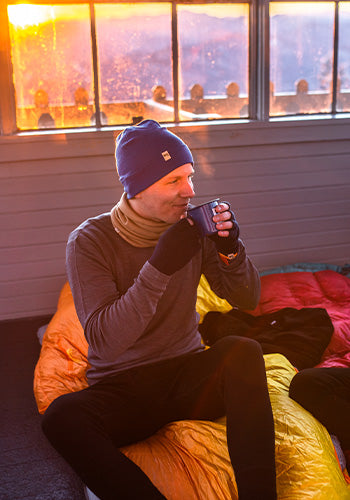
Cold weather lowers your thirst response, so your body does not “ask” for water as often. But you are still losing moisture every day, especially if you are active outside. You breathe out more water vapor in cold, dry air, and you can sweat under winter layers without noticing it. Put those together, and it becomes easy to drink less than you need while dehydration sneaks up on you.
Cold air also holds far less moisture than warm air. When temperatures drop, the air pulls moisture from wherever it can, including your skin, lips, and respiratory system. Add wind, movement, or time outdoors, and moisture loss increases even more. That dry, run-down feeling many people associate with winter can be tied to hydration more often than you would expect.
Staying comfortable in winter is not just about staying warm. It is also about staying hydrated.

Yes. You can get dehydrated in cold weather for a few common reasons:
Winter dehydration often shows up as “normal winter stuff,” so it is easy to miss. Watch for:
If you are outside for long periods, these signs can show up even when temperatures are low.
You do not need a complicated routine. A few small habits can keep hydration in cold weather on track.
Because you feel less thirsty in winter, rely on simple cues instead:
Warm water or herbal tea can make this easier when it is cold out.
If water is inconvenient, you will skip it. Keep a bottle where you can see it, and bring it on short errands and outdoor tasks. For winter activities, use an insulated bottle so it does not freeze.
Hydration is not only about what you drink.
These foods add fluid without feeling like “one more thing.”
If you ski, snowboard, hike, or work outside, hydration needs to be intentional.
This is one of the easiest ways to avoid feeling wiped out later.
One of the sneakiest drivers of winter dehydration is sweating in cold weather. You might not feel sweaty because the air is cold and the moisture evaporates quickly, but your body still loses fluid.
The fix is simple: thermoregulate by adjusting layers early.
Staying dry is not only about comfort. It can help reduce dehydration during winter activities.
If you are spending hours outside, a little planning makes a big difference.
Hydration for skiing and hydration for winter hiking are basically the same idea: small sips, consistently.
Yes. Cold weather can cause dehydration because thirst drops, breathing loses moisture, and sweat under layers is easy to miss.
Your thirst response is reduced in cold temperatures, so your body signals thirst less even when you still need fluids.
There is no perfect number for everyone. A practical approach is steady intake throughout the day, plus extra fluids around outdoor activity. If your urine is consistently dark, you likely need more.
Yes, they can contribute to hydration. If caffeine makes you feel dehydrated or jittery, balance it with water.
Drink on a schedule, keep water easy to access, eat hydrating foods, and thermoregulate so you do not sweat excessively under layers.
TL;DR
Winter dehydration is easy to miss because it does not feel like summer dehydration. But cold, dry air, moisture loss from breathing, and sweating under layers can quietly add up. Build a few simple habits, drink consistently, and thermoregulate by adjusting layers early. You will feel better, recover faster, and stay more comfortable all winter long.

- Woolmark Quality Standard
- OEKO-TEX Standard 100
- Responsible Wool Standard
- Earth-Conscious Packaging
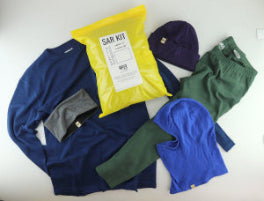
We re-purpose & package gently worn & factory second base layers into SAR Warming Kits distributed FREE to first responders across the USA and Canada.

- 30-Day Returns/Exchanges
- Free Shipping Over $50
- NH-USA Customer Service
- 2-Year Product Warranty*

We are a 5th-generation family-owned business in New Hampshire with over a century of woolen textile manufacturing expertise. Quality without compromise.
- Woolmark Quality Standard
- OEKO-TEX Standard 100
- Responsible Wool Standard
- Earth-Conscious Packaging
We re-purpose & package gently worn & factory second base layers into SAR Warming Kits distributed FREE to first responders across the USA and Canada.
- 30-Day Returns/Exchanges
- Free Shipping Over $50
- NH-USA Customer Service
- 2-Year Product Warranty*
We are a 5th-generation family-owned business in New Hampshire with over a century of woolen textile manufacturing expertise. Quality without compromise.