

Merino Wool vs. Synthetic Base Layers: Which One Should You Wear?
Choosing the right base layer is one of the most important gear decisions you'll make before heading outdoors. Your base layer sits directly against your skin, acting as your first line of defense against sweat, cold, and discomfort. The two most popular materials on the market today are merino wool and synthetic fabrics like polyester and nylon, and each brings something different to the table.
Understanding how these materials perform across key categories will help you invest in the layer that matches your activity, climate, and personal preferences.
What Makes a Great Base Layer?
A base layer's primary job is to regulate your body temperature by wicking moisture away from the skin and allowing it to evaporate. The best base layers keep you warm in cold weather, dry during high-output activities, and comfortable from the first mile to the last.
Whether you're hiking through variable fall conditions, skiing in deep winter, or hunting in sub-zero temps, the fabric you choose directly impacts your performance and comfort.
Warmth and Insulation
Merino wool is a natural insulator that excels at trapping warm air close to the body. Its fibers have a natural crimp that creates tiny air pockets, giving it an impressive warmth-to-weight ratio. One of merino's standout qualities is its ability to retain warmth even when wet. Wool can absorb up to 30% of its weight in moisture without feeling damp or clammy against the skin.
Synthetic base layers provide reliable warmth in dry conditions but tend to lose insulating value when they become saturated with sweat or precipitation. For stop-and-go activities in cold weather, where your exertion level fluctuates throughout the day, merino's consistent temperature regulation gives it a clear advantage.
If you're heading into seriously cold environments, a heavyweight merino base layer provides the kind of warmth that synthetic materials struggle to match.
Moisture Management
This is where the two materials take notably different approaches. Synthetic fabrics wick moisture rapidly, pulling sweat away from your skin and spreading it across the fabric's surface to evaporate more quickly. They also dry significantly faster than merino wool, making them a strong choice for sustained high-intensity activities that generate a lot of sweat.
Merino wool handles moisture differently. Rather than pushing it to the surface, merino fibers absorb moisture into their core. This means the fabric draws moisture away from your skin while the outer surface remains relatively dry to the touch. The trade-off is that merino dries a bit more slowly. However, because it feels dry and warm even when holding moisture, many outdoor enthusiasts find it more comfortable over the course of a long day.
Odor Resistance
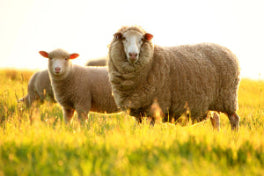
This category isn't even close. Merino wool is naturally antimicrobial thanks to lanolin, a waxy substance produced by sheep that lines the fibers and prevents odor-causing bacteria from thriving. You can wear a merino base layer for multiple days on a backcountry trip without it developing a noticeable smell.
Synthetic fabrics, on the other hand, are notorious for harboring odor. Some manufacturers apply antimicrobial treatments to combat this, but those coatings tend to break down after repeated washes. If you're planning a multi-day adventure or simply don't want to do laundry after every outing, merino is the clear winner here.
Comfort and Feel
Modern merino wool is nothing like the scratchy wool your grandparents wore. Fine merino fibers (measured in microns) create a fabric that feels soft, smooth, and comfortable against bare skin. High-quality merino, such as 100% merino wool base layers, uses fibers fine enough to eliminate itch or irritation.
Synthetics can also be comfortable, with many offerings featuring a silky, lightweight feel. However, they rarely match the plush, next-to-skin softness that premium merino provides. For garments that sit directly against your body all day, that softness makes a meaningful difference.
Durability and Longevity
Synthetic materials generally hold the edge in raw durability. Polyester and nylon resist abrasion, pilling, and stretching over time, and they can handle frequent machine washing without losing their shape or performance.
Merino wool is more delicate by comparison. It can be prone to snags and may pill with heavy use. That said, advances in fabric technology, such as the corespun Woolverino construction, which wraps merino around a nylon core, have significantly improved merino's toughness without sacrificing its natural benefits. Proper care also extends the life of merino garments: washing on a gentle cycle and avoiding fabric softener or bleach goes a long way.
Sustainability and Environmental Impact
For environmentally conscious outdoor enthusiasts, merino wool has a strong appeal. It's a natural, renewable fiber; sheep regrow their fleece every year, and it's fully biodegradable at the end of its life. Merino production generally has a lower environmental footprint than petroleum-based synthetic fabrics, which are essentially plastics.
Synthetic base layers are derived from fossil fuels and can shed microplastics during washing. While recycled polyester options are becoming more common, merino remains the more sustainable choice for those looking to minimize their environmental impact.
When to Choose Merino Wool
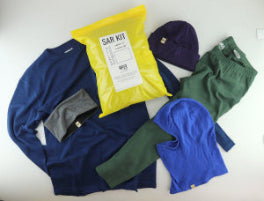
Merino is the ideal choice when you need a versatile, all-conditions base layer. It performs best for activities with variable intensity levels, multi-day trips where odor control matters, cold-weather outings, and situations where comfort is a top priority. With multiple fabric weights available, from ultralight micro layers to expedition-weight thermals, you can match the right merino base layer to virtually any season or activity.
When to Choose Synthetic
Synthetic base layers make sense for sustained, high-output activities where rapid moisture wicking and fast drying are essential. They're also a solid option if you're on a tighter budget or need a layer that can take a beating without requiring special care.
The Bottom Line
Both merino wool and synthetic base layers are legitimate performance fabrics, and many experienced outdoor enthusiasts keep both in their gear rotation. However, when it comes to overall comfort, temperature regulation, odor control, and sustainability, merino wool consistently comes out on top, especially for those who spend extended time in the backcountry.
The right base layer sets the foundation for everything else you wear. Investing in quality merino wool is an investment in comfort, performance, and gear that works as hard as you do.
Frequently Asked Questions
What is the main difference between merino wool and synthetic base layers?
Merino wool is a natural fiber that excels at temperature regulation, odor resistance, and comfort. It keeps you warm even when wet and can be worn for multiple days without developing odor. Synthetic base layers, typically made from polyester or nylon, wick moisture faster, dry more quickly, and tend to be more durable and affordable. The best choice depends on your activity, trip length, and personal priorities.
Does merino wool keep you warm when wet?
Yes. Merino wool can absorb up to 30% of its weight in moisture without feeling wet or clammy against your skin. Unlike cotton and many synthetic fabrics, which lose their insulating value when saturated, merino continues to trap warm air and regulate your body temperature even in damp conditions. This makes it an especially reliable choice for unpredictable weather and variable outdoor conditions.
How long can you wear a merino wool base layer without washing it?
Thanks to its natural antimicrobial properties, merino wool resists odor buildup far longer than synthetic fabrics. Many hikers, hunters, and backpackers comfortably wear the same merino base layer for several days, sometimes a week or more, on multi-day trips without noticeable odor. This makes merino ideal for backcountry adventures where access to laundry is limited and packing light is a priority.
Are synthetic base layers better for high-intensity activities?
Synthetic base layers do have an edge in rapid moisture wicking and drying speed, which can be beneficial during sustained, high-output activities like trail running or cycling. However, merino wool also performs well during active pursuits, particularly in variable conditions. Many outdoor enthusiasts find merino more comfortable overall because it feels dry against the skin, even as it retains moisture.
Is merino wool itchy?
Modern merino wool is not itchy. Unlike traditional wool, merino fibers are extremely fine, typically 18.5 microns or less, which makes the fabric soft, smooth, and comfortable against bare skin. High-quality merino base layers feel noticeably softer than most synthetic options and are suitable for people with sensitive skin.
Which base layer material is more sustainable?
Merino wool is the more environmentally friendly option. It’s a natural, renewable fiber; sheep produce a new fleece every year, and it’s fully biodegradable at the end of its life. Synthetic base layers are petroleum-based and can release microplastics during washing. For eco-conscious consumers, merino is the stronger choice.