

How to Choose the Right Base Layer For Any Season
Your base layer is the most important piece of clothing in your outdoor kit, and it's the one most people overlook. It sits directly against your skin, quietly managing moisture, regulating temperature, and keeping you comfortable while every other layer builds on top of it. Get it right, and you'll barely notice it's there. Get it wrong, and you'll feel it all day long.
Whether you're gearing up for a winter summit, a fall hunting trip, or a spring trail run, here's how to choose a base layer that actually works for you.
Start With Your Activity Level
The single biggest factor in choosing a base layer isn't the weather forecast; it's how hard you'll be working. Your body generates vastly different amounts of heat and sweat depending on whether you're sitting in a tree stand or charging uphill with a loaded pack.
For high-output activities like hiking, skiing, trail running, or cycling, you need a base layer that breathes well and moves moisture efficiently. A thinner, more breathable fabric will help prevent overheating during sustained effort. For lower-intensity or stationary activities, ice fishing, hunting from a blind, or spectating at a winter event, a thicker, more insulating base layer will help you retain body heat when you aren't generating much of your own.
The key is matching the fabric weight to the work your body will be doing, not just the number on the thermometer.
Understanding Fabric Weight
Base layers are generally categorized by fabric weight, which directly affects warmth, breathability, and versatility. Most brands offer four weight categories, and understanding them makes choosing much simpler.
Microweight is your thinnest, most breathable option. It works well as a standalone layer in warm weather or as an ultralight base under other layers during cooler months. It's ideal for high-output activities where overheating is a concern. Check out the Woolverino microweight collection for a durable, featherlight option built with corespun technology.
Lightweight fabrics offer year-round versatility. They provide enough warmth for cool mornings while remaining breathable enough for active use. A lightweight merino wool crew is one of the most adaptable pieces you can own. Wear it solo in spring and summer, or layer it under heavier garments when temps drop.
Midweight is the sweet spot for three-season use. It delivers meaningful warmth without bulk, making it perfect for hiking, camping, skiing, and hunting in fall and winter conditions. A midweight merino base layer is one of the most popular choices among serious outdoor enthusiasts.
Heavyweight or expedition weight is built for extreme cold. These are the thickest, warmest base layers available, designed for deep-winter activities, mountaineering, and extended exposure to sub-zero temperatures. When the thermometer plunges, an expedition-weight merino layer provides insulation that's hard to beat.
For a side-by-side breakdown of each weight and what conditions they're suited for, the fabric weight guide is an excellent resource.
Why Merino Wool Is the Gold Standard
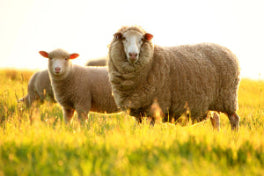
Not all base layer fabrics are created equal. While synthetics like polyester have their place, merino wool consistently outperforms them across the categories that matter most for all-day comfort.
Temperature regulation is where merino truly shines. Its natural fibers adapt to your body's needs, insulating you when it's cold and allowing it to breathe when you warm up. This makes merino exceptionally versatile across fluctuating conditions, which is exactly what most outdoor days look like.
Moisture management works differently with merino than it does with synthetics. Merino fibers absorb moisture into their core, pulling dampness away from your skin while the outer surface stays dry to the touch. Wool can hold up to 30% of its weight in moisture without feeling wet or clammy, and critically, it continues to insulate even when damp. That's a major advantage over cotton and many synthetic fabrics that lose their warmth when saturated.
Odor resistance is another area where merino stands alone. The natural antimicrobial properties of wool fibers prevent bacteria from building up, meaning you can wear a merino base layer for multiple days on a backcountry trip without it developing a noticeable smell. This is a huge benefit for multi-day adventures where packing light and washing options are limited.
Softness and comfort round out merino's advantages. Today's fine merino wool, typically 18.5 microns or finer, feels nothing like traditional wool. It's soft, smooth, and itch-free against bare skin, making it genuinely comfortable for all-day wear.
Consider How It Fits Into Your Layering System
A base layer doesn't work in isolation. It's the foundation of a complete layering system that includes a mid-layer for insulation and an outer shell for wind and rain protection. The beauty of a good layering system is its flexibility; you can add or remove pieces as conditions and your exertion level changes throughout the day.
Your base layer should fit snugly without feeling restrictive. A close fit ensures the fabric stays in contact with your skin, which is essential for effective moisture wicking. If there are gaps between your skin and the fabric, the base layer can't do its job properly.
Think about what you'll wear over it, too. If you're building a multi-layer system for deep winter, a midweight or heavyweight base layer pairs well with a merino mid layer and a waterproof shell. For milder conditions, a lightweight base layer under a single outer layer may be all you need.
One Rule to Always Follow
Never wear cotton as a base layer. Cotton absorbs moisture and holds onto it, leaving you damp, cold, and at risk of hypothermia in cooler conditions. It dries painfully slowly and offers zero insulation when wet. In the outdoor world, the saying "cotton kills" exists for a reason. Stick to merino wool or performance synthetics, and you'll stay warmer, drier, and safer.
Caring for Your Base Layer
Choosing the right base layer is only half the equation; taking care of it ensures it performs trip after trip. Merino wool is easier to maintain than most people think. Machine wash cold, tumble dry low, and avoid bleach and fabric softener, which can damage the fibers and inhibit wool's natural wicking properties. For detailed guidance, the merino wool care page covers everything you need to know.
Finding Your Perfect Fit
The right base layer depends on your body, your activity, and the conditions you'll face. Start by asking yourself three questions: How active will I be? What temperatures am I preparing for? And how long will I be out? From there, match the appropriate fabric weight and material to your answers, and you'll have a base layer that keeps you comfortable from the trailhead to the summit, and everywhere in between.
Frequently Asked Questions
What weight base layer do I need?
The right weight depends on your activity level and the temperatures you’ll face. Microweight is best for warm weather and high-output activities. Lightweight works year-round as a versatile all-season option. Midweight is ideal for three-season use in cool-to-cold conditions. Heavyweight or expedition weight is designed for extreme cold and extended winter exposure. If you’re unsure, a midweight base layer is a popular starting point for outdoor enthusiasts.
Can you wear merino wool base layers in summer?
Absolutely. Merino wool is not just a cold-weather fabric. Its natural breathability and moisture-wicking properties make it an excellent choice for warm-weather activities as well. A microweight or lightweight merino base layer will keep you cool, dry, and protected from UV rays during summer hikes, trail runs, and bike rides. Merino also regulates temperature naturally, so it adapts as conditions change throughout the day.
How should a base layer fit?
A base layer should fit snugly against your skin without feeling tight or restrictive. A close fit is essential because the fabric needs direct contact with your skin to wick moisture effectively. If there are gaps or the fit is too loose, the base layer can’t do its job properly. That said, it shouldn’t feel constrictive; you should still have full freedom of movement for hiking, skiing, or any other activity.
Why shouldn’t you wear cotton outdoors?
Cotton absorbs moisture and holds onto it, which means it stays wet against your skin for a long time. In cool or cold conditions, a wet cotton layer pulls heat away from your body and dramatically increases your risk of hypothermia. Cotton also dries much more slowly than merino wool and synthetic fabrics. The outdoor community has long followed the saying “cotton kills.” For this reason, it simply isn’t designed for active or variable conditions.
How do I care for a merino wool base layer?
Merino wool is easier to care for than most people expect. Machine wash cold, tumble dry on low heat, and avoid using bleach or fabric softener, both of which can damage the wool fibers and reduce the fabric’s natural wicking and odor-resistant properties. Turn the garment inside out before washing to minimize pilling. With proper care, a quality merino base layer will maintain its performance and softness for years.
Do I need different base layers for different activities?
Not necessarily, but having options helps. A midweight merino base layer is versatile enough for most three-season activities. However, if you regularly participate in both high-intensity activities like running and low-intensity activities like hunting from a blind, owning a lighter and a heavier weight base layer allows you to match the right fabric to the right situation for optimal comfort.